

As department leads map out Q4 budgets and begin planning for FY 2023, they’ll be under pressure to cut costs. Global price volatility is making that seem impossible, so many will be turning to IT to help them define end user needs and make the most of existing assets.
This post was written in 2022, when we described ReadyWorks as a digital platform conductor. For how the platform works today, see Our Evolution: From Digital Platform Conductor to Agentic ITOps.
Given that for most companies the IT asset turnover is three years, leases are now coming to an end and/or it’s time to purchase new equipment to replace what was distributed at the start of lockdowns. The picture is a very different one from early 2020, when IT saved the day, enabling end users to work productively from home. It was frantic, there was no big plan. Your teams just did it. And they did it in record time!
Now, with a mix of hybrid, remote and office-based employees, decisions are complex. It doesn’t make sense to replace everything, even if companies have the money to do so. Now they’re trying to make the most of investments. Can anything be reclaimed, rebuilt, and reused and what’s left in storage? If your teams weren’t keeping track of everything that went out - and it was unlikely, there just wasn’t time - how can you help?
Asking the right questions
To understand what funding is required you’re going to be asking questions too. Think about:
- Which employees are still working remotely and how many are back in the office full time? Can you reclaim or reuse any equipment?
- What equipment needs replacing? Would it be cheaper to extend current leases?
- How do you accurately map end user requirements to asset procurement?
- What software licenses do you need?
- How will you coordinate asset refresh cycles with Windows updates or migration to Windows 11?
- How will future departmental growth or reduction plans impact IT?
- Are asset ownership and costs properly attributed to the right business unit or department?
- What growth plans does each department have – will they be adding employees or evolving technologies?
Getting the answers
You could ask your teams to answer these questions by scanning networks, using CMDBs, Systems and Access Management platforms, and pulling together information from HR databases and emailing department leads into spreadsheets, but this will take time, and may not be ready to meet deadlines. Even if teams have been building out an asset database (with the pressure IT has been under the last few years, it’s unlikely they’ve had the time), given the dynamic nature of any enterprise, it will be out of date and likely contain errors.
To gain an accurate picture, IT will need to do a lot of fact checking, working with end users and managers to validate records. It’s unlikely you have time for that. So, what can you do? Estimating requirements using your COVID lockdown spend as a guideline is going to be impossible without accurate data.
Use automation to create accurate IT spend
There is a way to cut the time and effort of building accurate budget requirements for Q4 2022, FY2023 and beyond and that’s by implementing a digital platform conductor (DPC).
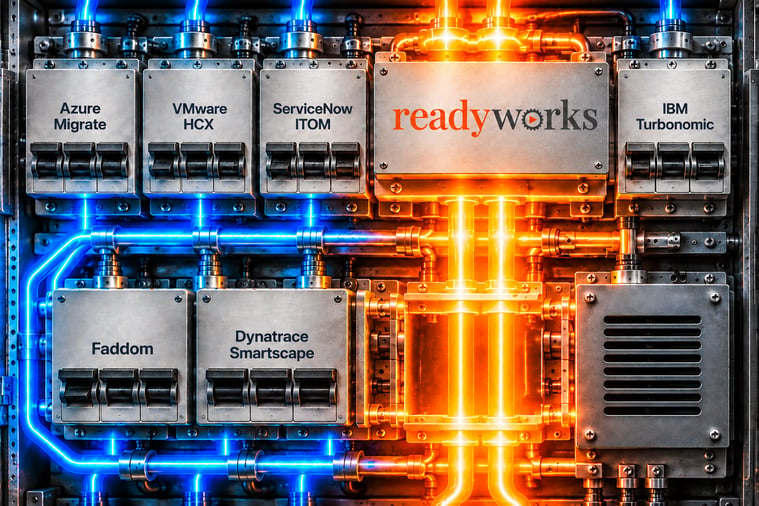
A DPC connects to disparate management tools, within and outside of IT’s domain and applies intelligent automation to collect, clean and aggregate data into a single, centralized view. It identifies missing or conflicting information that may require human intervention to correct. The process of getting this information is automated via triggered communications that take users or stakeholders to a self-service portal where they can confirm or correct information. With a clear picture of information such as end user roles, location, usage patterns, and working practices, you can make smarter decisions on asset needs going forward.
Using a DPC you can:
- Gain a clear picture of user roles and hardware and software needs to more accurately estimate future asset needs and budget.
- Factor in department growth plans to your figures and leverage automated communications with relevant department contacts to gain that information more easily.
Balance user experience, costs, and functionality with greater knowledge about your IT environment:
- Upgrading to Windows 11? Integrate IT hardware refresh cycles.
- Will a move to a virtual desktop infrastructure or desktop-as-a-service reduce costs? Use clear IT estate data to help you answer the question.
- What can be consolidated? Can you save on software licenses, consolidate apps for better performance and cost savings? Use accurate data to inform your decision.
With a DPC you can cut CAPEX by reducing unnecessary equipment spend and purchasing only the assets you really need, but you can also reduce OPEX. Leveraging a DPC’s orchestration capabilities, you can automate system and human workflows to increase resource capacity and reduce program costs.
Book a demo to see how ReadyWorks can simplify asset management and provide you with the information you need to build better, more accurate budgets without the headaches.